
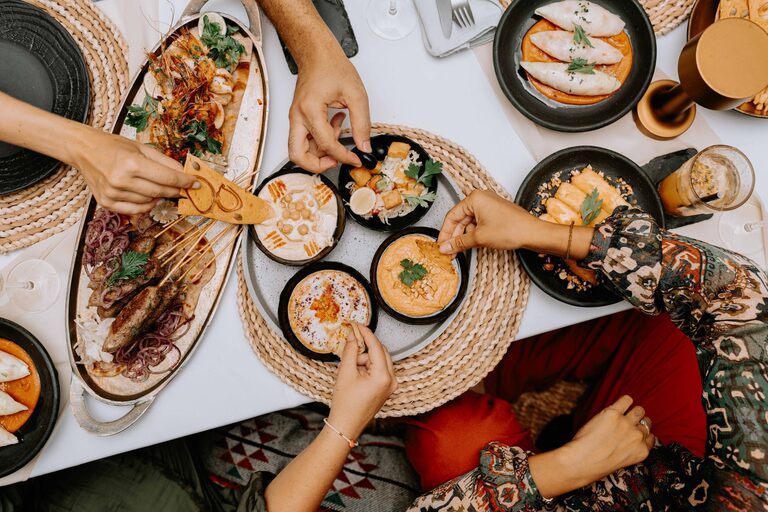


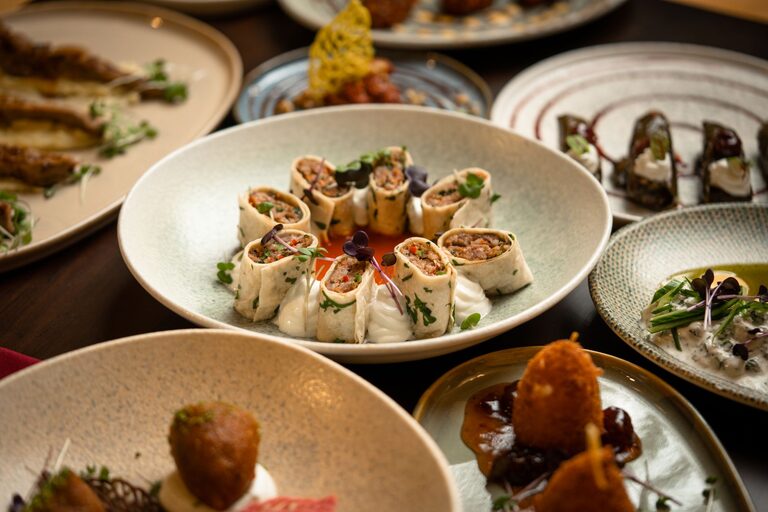

Food festivals have long offered a chance to enjoy great meals, but a new generation of culinary events is taking a more focused approach. These festivals are shining a light on regional ingredients, independent producers, emerging chefs, and the food traditions that give each place its character.
Rather than simply gathering food vendors in one location, many new festivals are designed as complete experiences. Guests may attend cooking demonstrations, meet farmers and makers, join guided tastings, or learn how local ingredients move from field to plate. The result is a closer connection between diners, cooks, and the communities behind the food.
A New Focus on Local Flavor
Regional ingredients are at the heart of these celebrations. Festival organizers are looking beyond familiar menu items to feature foods that reflect the landscape and history of a particular area.
Depending on the location, that might include:
– Heritage grains grown by small farms
– Seasonal fruits and vegetables
– Locally raised meats and poultry
– Regional seafood
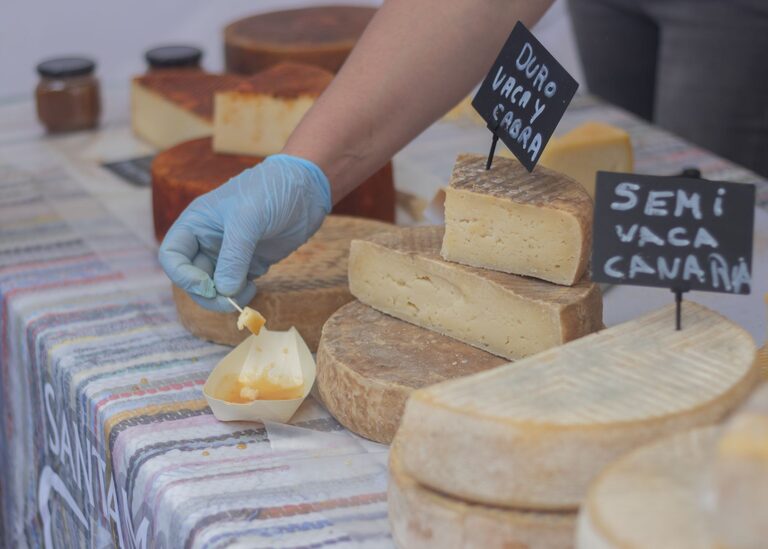
– Artisan cheeses and dairy products
– Specialty herbs, spices, and sauces
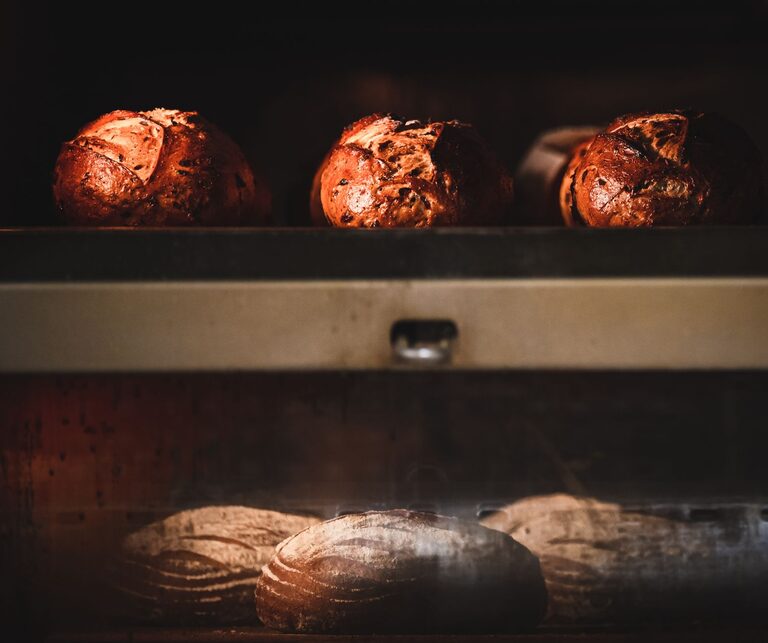
– Traditional breads, pastries, and preserved foods
Using local ingredients gives chefs an opportunity to create dishes that feel connected to their surroundings. It also helps festival visitors understand what makes one region’s food culture different from another’s.
Seasonality is often an important part of the experience. A spring event may focus on fresh greens and tender vegetables, while an autumn festival could highlight apples, squash, mushrooms, or grains. Menus that change with the calendar encourage visitors to discover ingredients at their natural peak.
Chefs Take Center Stage
These festivals are also creating more space for chefs to share their ideas and cooking methods. Instead of appearing only as restaurant owners or television personalities, chefs can speak directly with guests about the choices behind their dishes.
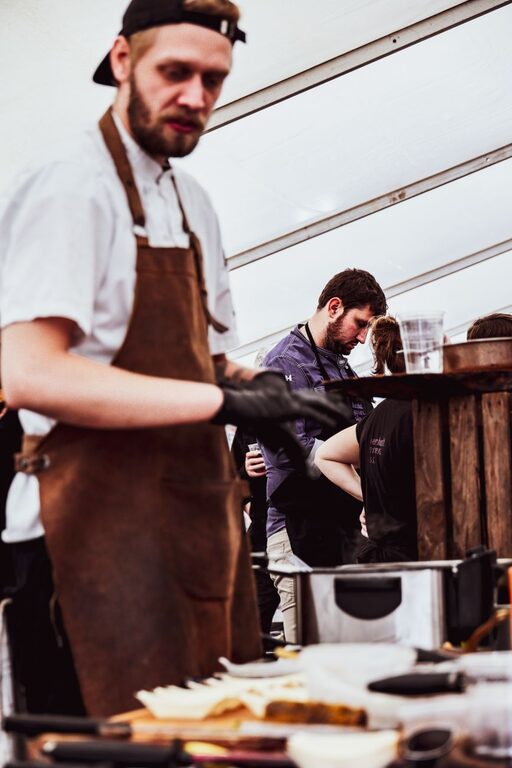
Live demonstrations are especially popular. A chef may show how to prepare a regional specialty, explain how to work with an unfamiliar ingredient, or demonstrate a technique that home cooks can try in their own kitchens.
Common festival sessions include:
– Hands-on cooking classes
– Chef-led market tours
– Regional recipe demonstrations
– Small-group tasting menus
– Ingredient pairing workshops
– Conversations with local food producers
The informal setting makes these events approachable. Visitors can ask questions, compare cooking styles, and learn why a chef prefers one ingredient or preparation method over another.
New and independent chefs benefit as well. Festivals give them a way to introduce their work to a wider audience without relying only on traditional restaurant marketing. A successful tasting or demonstration can help a small restaurant gain new customers and build lasting relationships.
Celebrating Farmers and Food Makers
Behind every regional dish is a network of growers, producers, fishers, bakers, and other food makers. Modern culinary festivals are giving these contributors a more visible role.
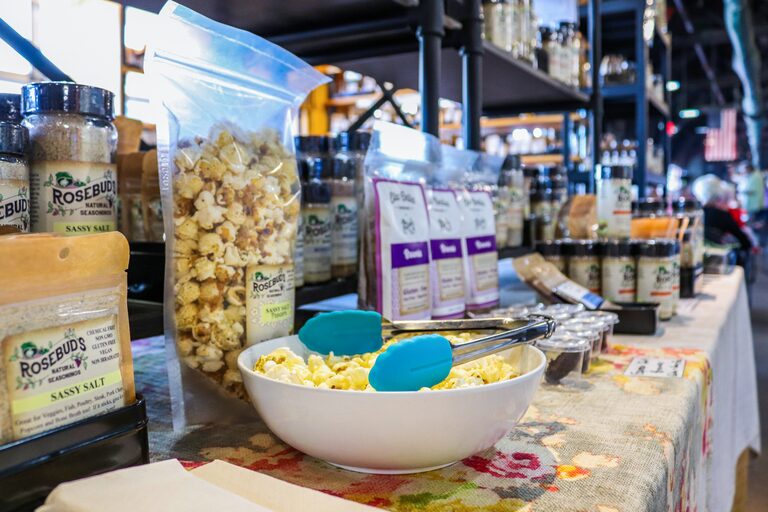
Many events include producer markets where guests can purchase ingredients directly from the people who grow or make them. This may include fresh produce, preserves, sauces, baked goods, specialty beverages, and packaged foods.
Meeting producers can add context to the meal. A farmer may explain how weather affects a crop, while a cheesemaker can describe the aging process used for a particular variety. These conversations help visitors appreciate the time, skill, and care involved in producing food.
For small businesses, festivals can serve as an important way to test new products and receive direct feedback. They can also introduce local producers to chefs who are looking for new ingredients for seasonal menus.
Food Traditions With a Modern Perspective
While many festivals celebrate traditional dishes, they are not limited to the past. Chefs are finding new ways to present familiar foods while preserving the flavors and techniques that make them meaningful.
A traditional recipe might be served in a smaller tasting portion, combined with a modern garnish, or adapted for a different cooking method. The goal is not always to change the dish completely. In many cases, chefs are using new approaches to help more people understand and enjoy established food traditions.
This balance between heritage and creativity gives festivals a broad appeal. Visitors may discover a dish they have never tried, while longtime residents see familiar ingredients presented in a fresh way.
Some events also invite multiple generations of cooks to participate. A family recipe may be prepared alongside a chef’s contemporary interpretation, creating an opportunity to compare methods and discuss how food traditions evolve.
More Than a Meal
Culinary festivals are becoming destinations for learning and community connection. In addition to food, many offer music, crafts, storytelling, gardening sessions, and cultural exhibitions.
This wider program can make the event appealing to people with different interests. One visitor may attend for a chef demonstration, while another comes to shop at the producer market or enjoy a family-friendly activity.
Many festivals are also designed to support local businesses beyond the event itself. Visitors may be encouraged to explore nearby restaurants, markets, farms, and specialty shops. This can help turn a single weekend gathering into a broader regional experience.
For travelers, a culinary festival provides a useful introduction to a destination. Tasting local dishes and speaking with residents can offer insights that are difficult to find through a standard sightseeing itinerary.
Planning a Visit
Anyone attending a new culinary festival should review the schedule in advance. Popular classes and tastings may require reservations, while other activities may be available on a first-come, first-served basis.
A few simple planning tips can make the experience more enjoyable:
– Check whether tickets cover tastings, demonstrations, or workshops
– Review the event schedule before arriving
– Bring a reusable bag for market purchases
– Wear comfortable clothing and shoes
– Arrive early for popular sessions
– Ask vendors about ingredients and preparation methods
– Leave room to sample foods from several producers
It is also helpful to consider how much food to order at each stop. Smaller portions allow visitors to try more dishes and save space for unexpected discoveries.
The Future of Culinary Festivals
As interest in local food and regional identity continues to grow, culinary festivals are likely to become even more varied. Future events may place greater emphasis on zero-waste cooking, traditional preservation methods, lesser-known crops, and collaborations between chefs and producers.
Technology may also play a role. Digital schedules, online vendor directories, and interactive maps can make festivals easier to navigate. However, the central appeal is likely to remain personal: meeting the people who grow, prepare, and share the food.
The strongest festivals do more than showcase impressive dishes. They tell the story of a place through its ingredients and the people who work with them. By bringing chefs, producers, and visitors together, these events create a welcoming way to explore regional food and discover new flavors.