







A Fresh Connection Between Farms and Kitchens
In many cities, restaurants are finding new ways to source fresh ingredients close to home. Urban farms are becoming important partners in this effort, supplying chefs with greens that can move from growing beds to restaurant kitchens in a matter of hours.
These farms may operate on rooftops, in vacant lots, inside warehouses, or along the edges of community gardens. Although they vary in size and growing methods, they share a common goal: producing food near the people who will eat it.
For local chefs, this close connection offers more than convenience. It can lead to fresher produce, seasonal menu ideas, and stronger relationships with growers.
What Urban Farms Grow
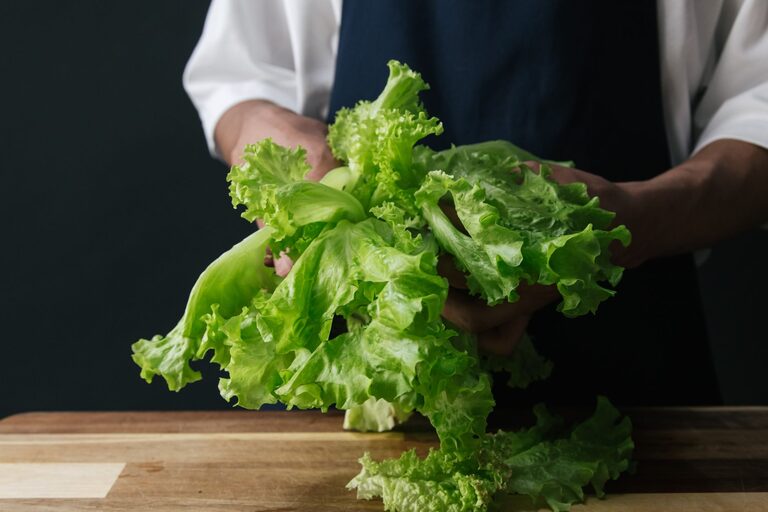
Urban farms often focus on crops that grow quickly and fit well in small spaces. Leafy greens are especially popular because they can be harvested regularly and do not require long growing seasons.
Common crops include:
– Lettuce and salad mixes
– Arugula and mustard greens
– Spinach and kale
– Swiss chard
– Microgreens
– Fresh herbs
– Pea shoots
– Edible flowers
Microgreens and herbs are particularly useful for restaurants. They add color, texture, aroma, and flavor to dishes while taking up relatively little growing space. Many urban farms can produce several rounds of these crops throughout the year.
Some farms also grow specialty varieties that may be difficult for chefs to find through large distributors. A restaurant might request a particular basil, a colorful lettuce mix, or a less common mustard green. These custom orders give chefs more control over the ingredients they use.
How Farms Work With Local Chefs
The relationship between an urban farm and a restaurant usually begins with communication. Farmers may visit restaurants, attend local food events, or contact chefs directly. Chefs may also discover farms through culinary networks, farmers markets, or recommendations from other restaurants.
Once a connection is made, the farm and chef discuss several practical details:
– Which crops are available
– How much the restaurant needs
– When the produce can be harvested
– How often deliveries should occur
– How the greens should be packed
– What prices fit both businesses
Many urban farms use weekly availability lists. These lists show what is ready to harvest and help chefs plan menus. Some growers send photos or samples so chefs can evaluate the color, size, texture, and flavor of a crop before placing an order.
This process is often more flexible than ordering through a large distribution system. A chef may be able to request a smaller quantity, adjust an order, or ask about a crop that is nearly ready.
Harvested for Freshness
One of the main advantages of buying from an urban farm is the short time between harvest and service. Greens can be picked in the morning and delivered to a restaurant later that day.
Freshly harvested greens often have crisp textures and vibrant colors. Their quality can also make preparation simpler. A chef may need less trimming, and delicate items such as herbs and microgreens may arrive in better condition than they would after a long trip through multiple storage facilities.
Urban farms typically harvest based on restaurant schedules. For example, a farm may pick salad greens before a morning delivery or gather herbs shortly before an evening service. This timing helps restaurants receive produce when it is at its best.
Freshness also gives chefs a clearer connection to the growing process. They can learn when a crop was planted, how it was grown, and what conditions influenced its flavor.
Seasonal Menu Planning
Working with an urban farm can encourage chefs to plan menus around local availability. Instead of selecting the same ingredients throughout the year, restaurants may change dishes as different greens come into season.
Spring could bring tender lettuce, pea shoots, and fresh herbs. Summer may offer a wide range of salad greens, edible flowers, and basil. In cooler months, farms may focus on hardy greens such as kale, mustard greens, and chard.
This approach can make menus feel more connected to the local environment. It also gives diners a reason to return and try new dishes.
From Weekly Harvest to Daily Special
Chefs often use farm deliveries in several ways. A surplus of herbs might become a sauce or garnish. A colorful mix of greens could form the base of a seasonal salad. Microgreens may be added to soups, grain bowls, sandwiches, or plated entrees.
Some restaurants feature the farm by name on the menu or in descriptions of daily specials. This helps customers understand where their food came from and gives the grower useful recognition.
Benefits Beyond the Plate
Urban farms and restaurants can support each other in ways that extend beyond buying and selling produce.
For farms, restaurant partnerships can provide steady customers and predictable demand. Regular orders may help growers plan planting schedules, manage labor, and reduce waste. Restaurants can also give feedback about which varieties perform well in professional kitchens.
For chefs, local farm relationships can provide a dependable source of distinctive ingredients. Direct communication makes it easier to ask questions, solve delivery issues, and plan around changes in supply.
These partnerships may also strengthen the wider local food network. A restaurant that works with an urban farm may become more interested in nearby bakeries, producers, composting services, and other small food businesses.
Managing Common Challenges
Urban farm and restaurant partnerships are not without challenges. Growing conditions can change quickly, and a crop may be delayed by weather, pests, equipment problems, or limited space. Restaurants, meanwhile, must manage changing customer demand and tight preparation schedules.
Clear communication is one of the best ways to handle these issues. Farms can provide updated availability information, while chefs can share realistic order quantities and delivery expectations.
It also helps to have backup plans. A restaurant may keep an alternative green available in case a preferred crop is not ready. A farm may work with several restaurants rather than relying on one buyer.
Packaging and storage require attention as well. Greens are delicate, so farms and restaurants must agree on containers, delivery conditions, and handling procedures. Proper refrigeration and careful preparation help preserve quality after the produce reaches the kitchen.
What Diners Can Do
Customers can support urban farms by choosing restaurants that identify local ingredients on their menus. They can also ask servers where featured greens were grown or look for farm partnerships on a restaurant’s website and social media pages.
Other ways to support the local growing community include:
– Shopping at neighborhood farmers markets
– Joining a community supported agriculture program
– Buying herbs and greens from local growers
– Visiting urban farms during public events
– Sharing feedback about dishes made with local produce
Customer interest can encourage more restaurants to explore direct relationships with nearby farms.
The Future of City Grown Greens
Urban farms are not designed to replace every type of agricultural operation. Instead, they fill a valuable role by growing fresh, high-value crops near urban kitchens and customers.
As restaurants continue to look for fresh ingredients and distinctive menu ideas, partnerships with urban farms may become more common. Better ordering tools, improved growing systems, and stronger local food networks can make these relationships easier to manage.
For chefs, the result is a closer connection to the ingredients they serve. For growers, it is an opportunity to build a reliable local market. And for diners, it can mean fresher greens with a clear story behind every harvest.