





More Than a Place to Shop
Farmers’ markets have long been popular places to buy fresh produce, baked goods, flowers, and handmade products. Today, many markets are expanding the experience with activities that invite visitors to stay longer, learn something new, and connect with local food producers.
These additions can turn a quick shopping trip into a relaxed weekend outing. Visitors might sample a seasonal dish, watch a cooking demonstration, listen to live music, or join a short workshop. The result is a market experience that combines shopping, discovery, and community.
What Is Changing at Farmers’ Markets?
Market organizers are responding to visitors who want more than a table filled with products. They are creating varied programs that highlight how food is grown, prepared, and enjoyed.
New experiences may include:
- Cooking demonstrations using seasonal ingredients
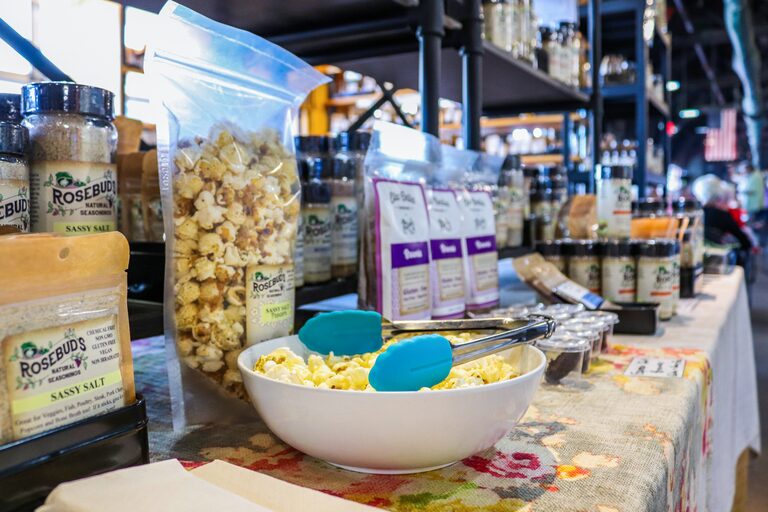
- Tastings of local produce, cheese, bread, and prepared foods
- Workshops on gardening, preserving, or simple food preparation
- Farm tours and meet-the-producer events
- Live music and other family-friendly entertainment
- Special market days focused on a particular ingredient or theme
- Activities for children, such as planting projects or food crafts
The exact offerings differ from one market to another. Some events are carefully planned programs, while others are informal activities hosted by individual vendors.
Seasonal Tastings Bring Products to Life
A display of fresh ingredients can be appealing, but tasting those ingredients can help visitors understand their quality and variety. Seasonal tastings give shoppers an opportunity to try unfamiliar products or discover new ways to use familiar ones.
For example, a market might feature several types of apples in the fall, fresh berries in early summer, or different varieties of tomatoes during the warmer months. Vendors may explain how each variety tastes, how long it keeps, and which recipes work well with it.
Tastings also encourage visitors to shop with the season. Instead of arriving with a fixed list, shoppers may find inspiration from what is freshest that day. A sample of roasted squash, a spoonful of local jam, or a slice of freshly baked bread can lead to new meal ideas.
Cooking Demonstrations Make Preparation Easier
Cooking demonstrations are another popular addition. They show visitors how to turn market ingredients into practical meals without requiring complicated equipment or advanced skills.
A demonstration might cover:
- How to prepare a quick vegetable side dish
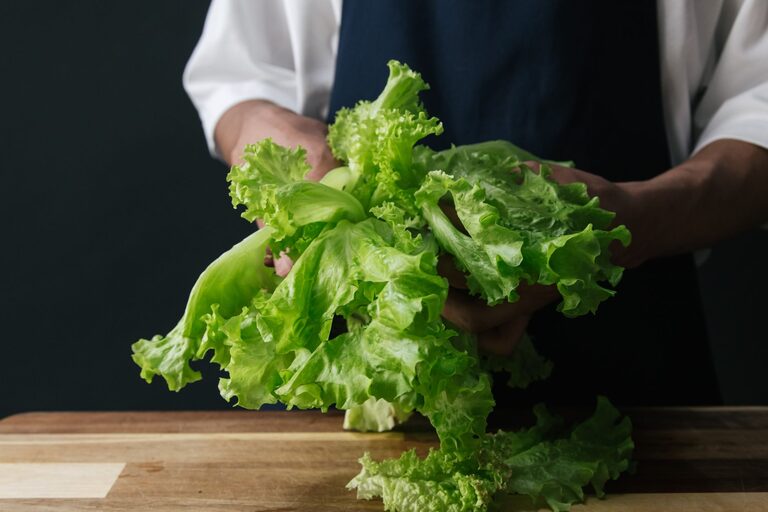
- Ways to use leafy greens before they wilt
- Simple recipes for fresh fruit
- Methods for storing herbs and other delicate products
- Easy meals built around one seasonal ingredient
These demonstrations often include tips from farmers, chefs, bakers, or experienced home cooks. Visitors can ask questions and see the steps up close. Because the recipes usually focus on ingredients available at the market, shoppers can purchase what they need immediately afterward.
Markets may also share printed recipes or post them online. This helps visitors recreate the experience at home and encourages them to return for similar ingredients in the future.
Workshops Encourage Hands-On Learning
Some farmers’ markets are adding short workshops that give visitors a chance to participate. These sessions can appeal to people with different interests and experience levels.
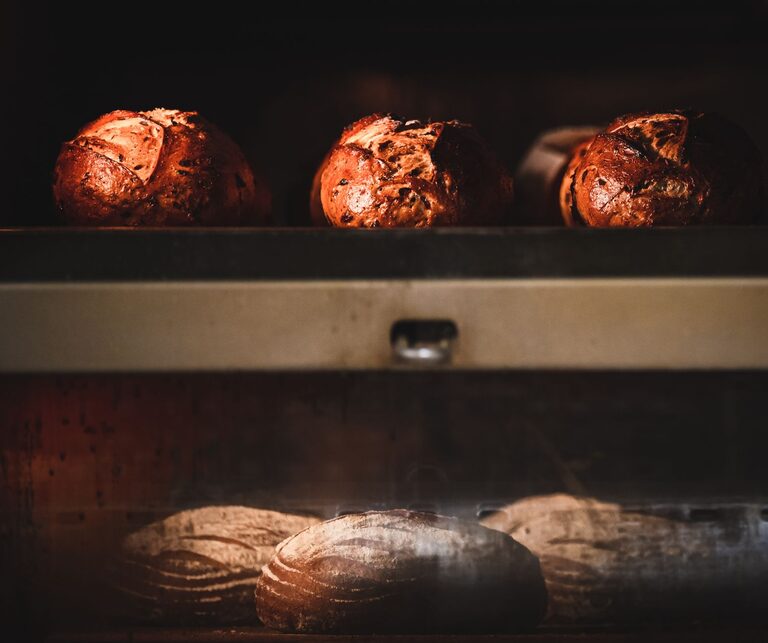
Gardening workshops may cover container planting, herb growing, or basic care for seasonal crops. Food-focused sessions might teach visitors how to make a simple loaf of bread, prepare a fresh salad dressing, or preserve fruit through approved home methods.
Children’s activities are also becoming a regular part of many market schedules. Young visitors might decorate reusable shopping bags, plant seeds in small containers, or learn how different foods grow. These activities make the market more welcoming for families and can help children build a connection with fresh ingredients.
Workshops do not have to be long or formal. A 20-minute activity at a vendor’s stall can be just as useful as a scheduled class. The most successful sessions are often simple, practical, and easy for visitors to follow.
Meeting the People Behind the Food
One of the most valuable parts of a farmers’ market is the opportunity to speak directly with the people who grow, bake, prepare, or make the products for sale. New market experiences are helping strengthen those connections.
Producer spotlights, farm tours, and question-and-answer sessions can give shoppers a better understanding of local food. Visitors may learn when a crop is planted, how a product is made, or what challenges come with producing it.
These conversations can also help shoppers make better use of what they buy. A farmer may suggest the best way to store a vegetable, while a baker may explain how to serve a particular loaf. Direct communication makes the shopping experience more personal and informative.
Entertainment Adds a Social Element
Food is often connected with gathering, and markets are using that idea to create a more social atmosphere. Live music, community performances, and outdoor seating can encourage people to pause after shopping.
Some markets invite local musicians to perform during busy hours. Others organize seasonal celebrations, art activities, or neighborhood events. These additions can attract visitors who might not otherwise attend a market, while giving regular shoppers a reason to return.
A welcoming atmosphere also benefits vendors. When visitors stay longer, they may have more time to browse different stalls, discover new products, and talk with sellers.
Tips for Enjoying the New Market Experience
Visitors can make the most of these activities with a little planning:
- Check the market’s website or social media page for event times.
- Arrive early for popular demonstrations or limited tastings.
- Bring reusable bags and a cooler when appropriate.
- Carry cash if some vendors do not accept cards.
- Ask questions about unfamiliar ingredients and products.
- Leave room in the schedule for browsing and conversation.
- Review workshop requirements, fees, or registration details in advance.
It is also helpful to bring a flexible shopping list. Seasonal availability can change from week to week, and the best market finds may not be the items visitors expected to buy.
A Fresh Reason to Visit
Farmers’ markets are evolving into places where people can shop, taste, learn, and spend time together. New experiences add variety without taking away from the market’s central purpose: connecting visitors with fresh, locally produced goods.
Whether it is a short tasting, a practical cooking lesson, or a family activity, these additions make each visit feel different. For food-loving visitors, that sense of discovery is part of the appeal. There is always a new ingredient to try, a new producer to meet, or a new way to enjoy what is in season.