



Local seafood programs create a direct connection between restaurants and nearby fishermen. Instead of relying only on large distribution networks, participating restaurants source some of their seafood from boats working in nearby waters.
These programs can take different forms. Some are organized by community groups, seafood hubs, or local food networks. Others are partnerships created directly between chefs, restaurant owners, and fishing businesses. Whatever the structure, the goal is similar: make it easier for local seafood to move from the water to the kitchen.
For diners, the result may be a changing menu that reflects the season, weather, and daily catch. For fishermen, the connection can provide a reliable restaurant market for species that may not receive as much attention through traditional channels.
What Are Local Seafood Programs?
A local seafood program is a system that helps restaurants purchase seafood from fishermen in the same region. The program may coordinate orders, organize transportation, share information about the catch, or help restaurants understand how the seafood was harvested.
Some programs work with a group of fishermen who land different species throughout the year. Others focus on a particular harbor, coastline, or type of fishing. A restaurant may join a formal seafood network or build a smaller arrangement with one or two local boats.
Common parts of these programs include:
– A list of participating fishermen or fishing businesses
– A way for restaurants to place orders
– Pickup or delivery arrangements
– Information about species, harvest dates, and catch locations
– Guidance on handling, storage, and preparation
– Public education about local seafood
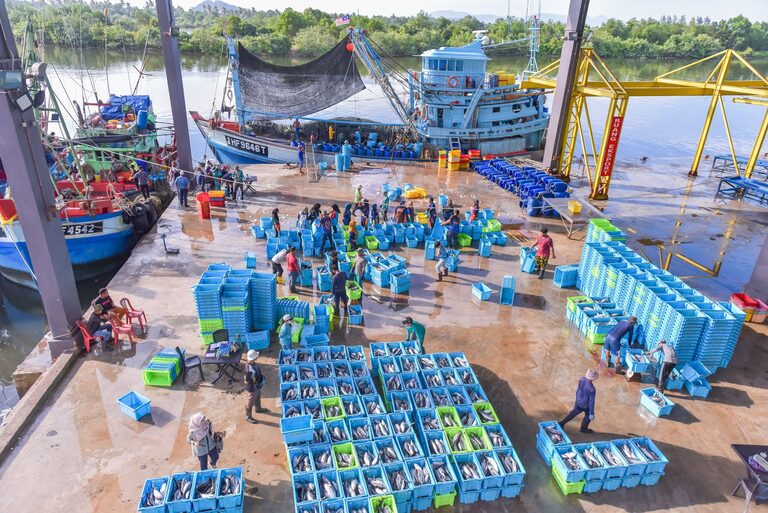
The details vary by community. In some areas, restaurants receive seafood directly from a dock or small processing facility. In others, a local seafood hub collects products from several boats and distributes them to restaurants.
How the Connection Works
The process usually begins with communication between fishermen and restaurant staff. Fishermen share information about what they expect to land, while chefs explain what their kitchens can use.
This conversation may happen through an online ordering system, a phone call, or a coordinator who works with both sides. Orders often depend on the weather and the success of each trip, so flexibility is important.
From the Boat to the Kitchen
A typical local seafood order may follow these steps:
- A fisherman reports the expected catch.
- Restaurants review available species and quantities.
- Chefs place orders based on their menus.
- The seafood is landed, sorted, and stored properly.
- The order is transported to the restaurant.
- Kitchen staff prepare the seafood for service.
The process is not always predictable. A boat may return with more of one species than expected or less of another. Rough conditions can delay a trip, and seasonal changes can affect availability. Restaurants that participate successfully understand that local sourcing often requires menu flexibility.
Why Restaurants Participate
Restaurants join local seafood programs for several practical and creative reasons. One is the opportunity to offer seafood with a clear local story. A menu can identify the nearby harbor, fishing community, or type of boat that supplied an ingredient.
Local seafood may also arrive quickly after landing. Shorter transportation routes can help restaurants receive products while they are still in excellent condition, provided the seafood is handled and stored properly throughout the process.
Chefs may appreciate the chance to work with less familiar species. A program can introduce them to fish or shellfish that are common in local waters but less visible in mainstream markets. This can inspire new dishes and help reduce pressure on a narrow group of popular species.
Other reasons include:
– Building stronger relationships with local suppliers
– Giving diners more seasonal choices
– Learning more about regional fishing traditions
– Creating menu variety throughout the year
– Supporting nearby working waterfronts
– Telling a more complete story about each ingredient
Local sourcing is not a perfect fit for every restaurant. Businesses must consider order volume, delivery schedules, kitchen needs, and customer preferences. Still, even a small local seafood section can be a useful starting point.
Benefits for Fishermen
Restaurants can provide an important market for fishermen, especially when buyers are willing to purchase a broad range of species. A boat may land several types of seafood during one trip, but not every species receives equal attention from large buyers.
When local restaurants show interest in a wider selection, fishermen may have more options for selling their catch. This can make better use of what is landed and help restaurants introduce diners to seafood they might not otherwise try.
Direct relationships can also improve communication. Fishermen learn what chefs are looking for, while chefs gain a better understanding of seasonal availability. Over time, both sides may plan more effectively.
These partnerships can also help preserve local knowledge. Fishermen often understand changes in weather, water conditions, and seasonal patterns. Sharing that knowledge with restaurants and diners can make the dining experience more informative and connected to place.
Seasonal Menus and Changing Availability
A major feature of local seafood programs is seasonality. The available catch may change from month to month, and the same species may vary in size, texture, or quantity.
Restaurants can respond by designing flexible menus. Instead of promising one item all year, a chef may offer a rotating selection based on what local fishermen land. Menu language such as “today’s local catch” or “seasonal fish” gives the kitchen room to adapt.
Seasonal menus can benefit diners by offering new experiences. A customer who regularly visits a restaurant may find different seafood choices throughout the year. This encourages curiosity and helps people become familiar with the variety found in their region.
Making the Menu Clear
Clear menu descriptions are important. Restaurants can include details such as:
– The name of the species
– The nearby area where it was landed
– The name of the fishing community or supplier
– The preparation method
– A note explaining that availability may change
Simple descriptions help diners understand why a dish may not be available every day. They also make local sourcing visible without requiring a long explanation.
Challenges to Consider
Local seafood programs require planning from both restaurants and fishermen. Supply may be less consistent than products purchased through a large distributor. Restaurants must be prepared to adjust recipes, serving sizes, or menu items when conditions change.
Transportation can also be difficult, particularly for small fishing businesses that do not have their own delivery systems. A shared pickup or distribution point may help, but it requires coordination and dependable scheduling.
Cost is another consideration. Local seafood may not always be less expensive. Small boats and local suppliers can face significant expenses related to fuel, equipment, labor, ice, storage, and transportation. Restaurants need to look at the overall value, including product quality, freshness, and the connection with the community.
Food safety and proper handling remain essential. Seafood should be stored, transported, and prepared according to applicable food safety requirements. Restaurants should work with reputable suppliers and maintain clear receiving procedures.
How Diners Can Support Local Seafood
Diners can support these programs by asking questions and trying seasonal dishes. A restaurant may identify local seafood on the menu, on its website, or through staff recommendations.
Helpful questions include:
– Which seafood is local today?
– Where was it landed?
– Is the menu based on the current season?
– Are there less familiar local species to try?
– Does the restaurant work directly with fishermen or a seafood hub?
Being open to different species is especially useful. Familiar choices may not always be available, while local alternatives can offer a fresh way to experience regional food.
Diners can also follow participating restaurants and fishermen online, share positive experiences, and return throughout the year to see how the menu changes.
A Stronger Connection to Place
Local seafood programs do more than move food from boats to restaurants. They create a working relationship among fishermen, chefs, suppliers, and diners.
When these connections are organized carefully, restaurants gain access to distinctive ingredients, fishermen reach more local customers, and diners learn where their food comes from. The result is a menu shaped by the nearby coast, the fishing community, and the natural rhythm of the seasons.
For restaurants interested in getting started, a small first step may be the most practical. Adding one locally landed seafood item, meeting with a nearby fishing business, or joining a regional seafood network can begin a long-term partnership. Over time, those relationships can help make local seafood a lasting part of the dining experience.