





Plant-based cooking has moved well beyond simple salads and vegetable side dishes. In 2026, restaurants are putting more thought into plant-based meals, treating vegetables, grains, beans, mushrooms, and legumes as the main event rather than as substitutes.
Menus are becoming more creative, but they are also becoming more practical. Chefs are focusing on bold flavor, satisfying textures, regional ingredients, and dishes that appeal to everyone at the table. Whether you follow a fully plant-based diet or simply enjoy trying something different, these changes are making restaurant dining more interesting.
Vegetables Are Taking Center Stage
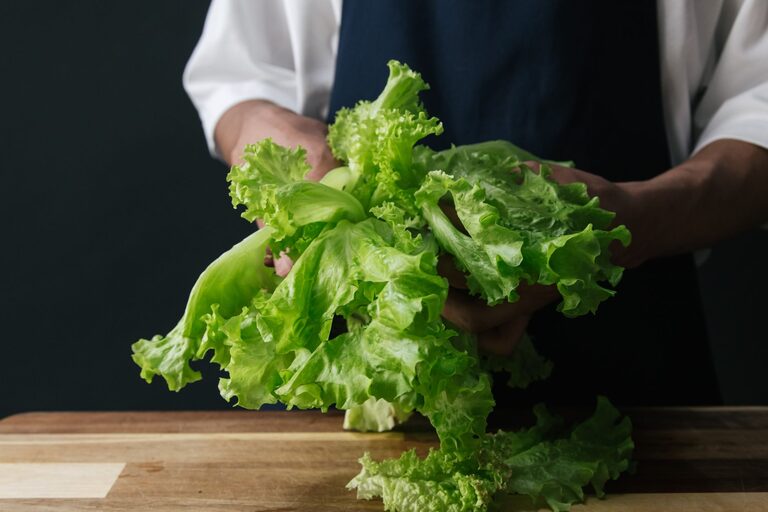
One of the biggest shifts is the way restaurants present vegetables. Instead of using them mainly as garnishes or side dishes, chefs are building complete meals around a single ingredient or a seasonal combination.
A whole roasted cabbage may be served with a smoky sauce, toasted seeds, and fresh herbs. Carrots can be grilled, glazed, and paired with whipped beans. Eggplant may be roasted until tender and served with grains, pickled vegetables, and a rich spice blend.
This approach gives vegetables more attention in the kitchen. Chefs are exploring how cooking methods affect flavor and texture, using techniques such as:
– Roasting to bring out natural sweetness
– Grilling for a smoky finish
– Fermenting for tang and depth
– Charring for contrast
– Slow cooking for a tender texture
– Pickling to add brightness
The result is food that feels complete and satisfying without relying on meat as the centerpiece.
Better Plant-Based Proteins
Plant-based proteins are also becoming more varied. Restaurants are using familiar ingredients in new ways, including beans, lentils, peas, tofu, tempeh, and wheat-based products.
Instead of presenting a basic bean burger or tofu stir-fry, chefs are developing dishes with more careful seasoning and preparation. Lentils may be shaped into savory patties, white beans can be blended into creamy sauces, and tofu may be pressed, marinated, and grilled for a firmer texture.
Mushrooms remain especially popular because of their rich flavor and meaty texture. Oyster mushrooms can be pulled apart and crisped, while king oyster mushrooms may be sliced into medallions or grilled like a steak. Lion’s mane mushrooms are appearing in sandwiches, bowls, and small plates because they can take on a tender, layered texture when cooked properly.
Legumes in More Creative Forms
Beans and lentils are showing up in more than soups and dips. Restaurants are using them to make:
– Creamy sauces
– Crisp fritters
– Savory spreads
– Stuffed vegetables
– Grain bowl toppings
– Handheld wraps
– Pasta and noodle dishes
These ingredients are affordable, familiar, and adaptable, making them useful for both casual restaurants and more polished dining rooms.
Regional Flavors Are Expanding
Plant-based menus are drawing inspiration from food traditions around the world. Chefs are using regional spices, sauces, and cooking methods to create dishes with character.
A plant-based menu might include dishes inspired by the Mediterranean, Southeast Asia, the Middle East, Latin America, or West Africa. Examples include roasted vegetables with harissa, coconut-based curries with tofu, black bean tamales, chickpea stews, or jollof-style rice with grilled vegetables.
This wider range of influences helps plant-based dining feel less repetitive. It also encourages restaurants to focus on flavor combinations rather than simply removing meat from existing recipes.
Common ingredients appearing across these menus include:
– Miso
– Tahini
– Gochujang
– Mole
– Coconut milk
– Tamarind
– Preserved lemon
– Chili crisp
– Smoked spices
– Fresh herbs
These ingredients can add acidity, heat, sweetness, saltiness, or umami to a dish without making it feel heavy.
More Attention to Texture
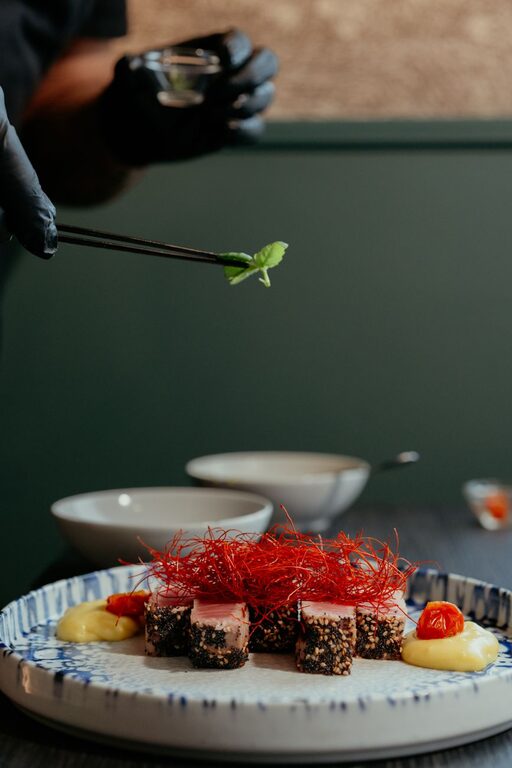
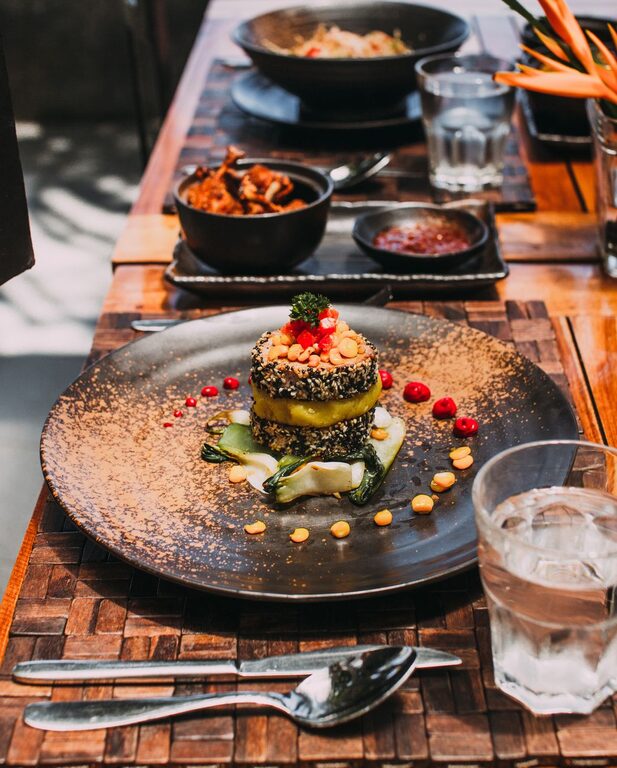
Texture is becoming just as important as flavor. A well-designed plant-based meal often includes several contrasting elements, such as something creamy, something crisp, something chewy, and something fresh.
For example, a restaurant bowl might combine tender grains, roasted squash, crunchy seeds, pickled onions, crispy beans, and a smooth herb sauce. A sandwich may include a crisp coating, a soft filling, shredded vegetables, and a tangy spread.
Chefs are using simple techniques to create this contrast:
– Toasting grains and seeds
– Crisping beans in the oven
– Frying thin vegetable slices
– Adding toasted breadcrumbs
– Using raw vegetables for freshness
– Blending sauces until smooth
– Marinating ingredients before cooking
This focus on texture makes plant-based meals more engaging from the first bite to the last.
The Return of Handmade Pasta and Bread
Restaurants are also exploring plant-based versions of classic comfort foods. Handmade pasta, dumplings, flatbreads, and breads are becoming important parts of plant-based menus.
Fresh pasta can be made with vegetables, herbs, or legumes, then paired with sauces based on mushrooms, tomatoes, nuts, seeds, or beans. Dumplings may be filled with cabbage, mushrooms, tofu, or spiced squash. Flatbreads can be topped with roasted vegetables, creamy bean spreads, and fresh greens.
Comfort foods are especially effective because they are familiar. Diners may be more willing to try a plant-based dish when it takes the form of pizza, noodles, a burger, or a rich stew.
Creative Dairy-Free Sauces
Sauces are helping restaurants make plant-based dishes feel rich and polished. Chefs are using ingredients such as cashews, sunflower seeds, white beans, tofu, oats, and coconut milk to create smooth sauces and spreads.
Some popular ideas include:
– Sunflower seed cheese sauces
– White bean garlic cream
– Cashew-based herb dressings
– Tofu-based ranch-style sauces
– Tahini lemon sauces
– Coconut curry reductions
– Roasted vegetable purees
These sauces are not limited to plant-based restaurants. Many chefs are adding them to broader menus because they bring distinctive flavor and can work well with vegetables, grains, and proteins alike.
More Seasonal and Local Menu Planning
Seasonality is another major focus. Restaurants are changing plant-based dishes throughout the year to make use of ingredients at their best.
Spring menus may highlight peas, asparagus, radishes, and fresh herbs. Summer brings tomatoes, corn, peppers, squash, and berries. Fall menus often feature pumpkin, apples, mushrooms, cabbage, and root vegetables. Winter dishes may focus on beans, grains, preserved produce, and slow-cooked vegetables.
Seasonal menus can make dining feel more connected to the time of year. They also give chefs a reason to keep experimenting rather than repeating the same dishes throughout the year.
Smaller Plates and Flexible Menus
Many restaurants are offering plant-based dishes as small plates, tasting portions, or shareable options. This format encourages diners to try several flavors in one meal.
A table might order crispy mushrooms, roasted carrots, dumplings, a grain salad, and a plant-based dessert. This style works well for groups because guests can sample unfamiliar ingredients without committing to a full entrée.
Some menus are also becoming more flexible. Restaurants may offer a plant-based version of a popular dish or allow diners to select a vegetable-based main component with several sauces and toppings. This makes it easier to customize a meal while keeping the kitchen’s main preparation organized.
What Diners Can Expect
When ordering plant-based food at restaurants this year, diners can look for:
– Complete entrées instead of simple substitutions
– More mushroom, bean, and lentil dishes
– Sauces made from seeds, grains, and legumes
– Regional spices and global cooking styles
– Seasonal vegetables prepared in multiple ways
– Better attention to crisp, creamy, chewy, and fresh textures
– More plant-based comfort foods
– Shareable plates designed for the whole table
The most exciting change is that plant-based cooking is no longer being treated as a narrow category. It is becoming part of the broader restaurant conversation about flavor, creativity, and hospitality.
In 2026, the best plant-based dishes are not defined only by what they leave out. They are defined by what they add: bold sauces, thoughtful cooking methods, fresh ingredients, satisfying textures, and a reason to come back for another meal.