







A New Focus on Regional Flavor
Restaurant menus are taking a closer look at regional food traditions this season. Instead of relying only on broad culinary categories, chefs are highlighting the ingredients, techniques, and stories connected to specific places.
This approach gives diners more meaningful choices while helping restaurants create menus that feel fresh and distinctive. A regional dish may feature a familiar ingredient in a new way, bring attention to a lesser-known specialty, or combine local traditions with modern presentation.
Several trends are emerging across restaurants, from renewed interest in local produce to creative takes on classic comfort food.
Local Ingredients Take Center Stage
One of the clearest menu trends is the increased use of ingredients sourced from nearby farms, fisheries, bakeries, and food producers. Seasonal vegetables, regional grains, local cheeses, and small-batch pantry items are appearing in more dishes.
Using nearby ingredients can add a strong sense of place to a menu. It also gives chefs the chance to adjust dishes throughout the year as different products become available.
Common examples include:
– Root vegetables featured in warm bowls and side dishes
– Regional apples, berries, and stone fruits used in desserts and salads
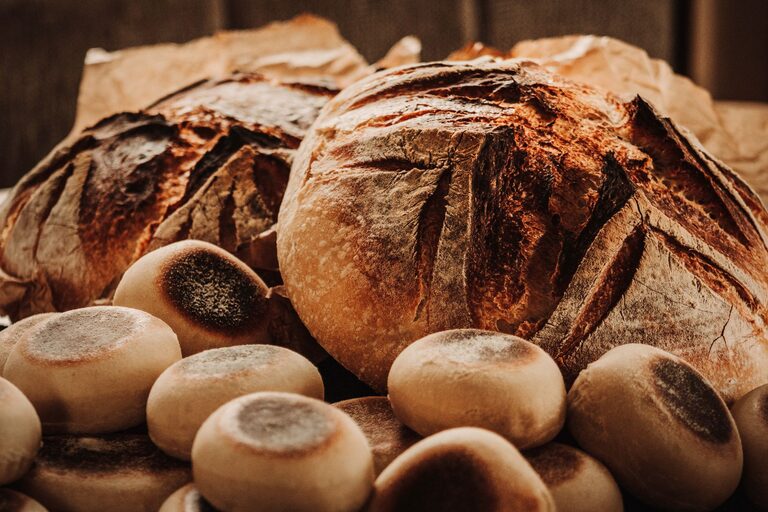
– Locally milled grains added to breads, pastas, and breakfast dishes
– Small-producer cheeses paired with seasonal fruit
– Fresh herbs used to create sauces, dressings, and finishing oils
Rather than listing local ingredients as a simple marketing detail, many restaurants are making them the foundation of a dish. This helps diners understand where their food comes from and why certain flavors belong together.
Regional Comfort Food Gets a Fresh Update
Classic comfort food remains popular, but restaurants are presenting it with lighter preparations, updated ingredients, and more polished service. This allows familiar dishes to appeal to both longtime fans and diners looking for something new.
A traditional stew might be served in a smaller portion with fresh herbs and seasonal vegetables. A regional sandwich may feature house-made bread, a new sauce, or a vegetarian filling. Even a simple baked dish can feel current when it uses locally grown produce or a distinctive regional cheese.
This trend works because comfort food is easy to recognize. Diners know what to expect, while chefs still have room to add a personal touch.
Popular menu updates may include:
– Crispy versions of traditional vegetables
– Hand pies filled with seasonal ingredients
– Updated casseroles served as individual portions
– Regional soups paired with freshly baked bread
– Classic desserts made with local fruit or grains
The goal is not to replace tradition, but to show how it can adapt to current tastes and available ingredients.
Coastal Flavors Beyond Seafood
Coastal cuisine is often associated with seafood, but current menus are expanding the definition. Restaurants in coastal and inland areas alike are exploring the bright herbs, citrus, grains, legumes, and preserved foods connected with shoreline cooking.
Seafood dishes may be paired with regional vegetables, pickled toppings, or grain-based sides. At the same time, plant-forward dishes are borrowing coastal flavors through sea vegetables, citrus sauces, smoked ingredients, and herb-rich dressings.
This broader approach makes coastal-inspired food accessible to more diners. It also allows restaurants to create balanced menus that include fish, shellfish, vegetarian dishes, and hearty grain-based options.
Look for dishes such as:
– Grilled fish with seasonal salsa
– Grain bowls with sea vegetables and fresh herbs
– Citrus-marinated vegetables
– Shellfish served with regional grains
– Roasted produce finished with coastal-style sauces
These combinations offer freshness without limiting the menu to one type of ingredient.
Indigenous Ingredients and Food Traditions
Some restaurants are drawing attention to ingredients and cooking methods that have long been part of Indigenous food traditions. Examples may include native grains, beans, squash, berries, herbs, and nuts, depending on the region.
When handled thoughtfully, this trend can bring greater appreciation to ingredients that have often received less attention in mainstream dining. The focus is strongest when restaurants provide clear information about the ingredient, its origin, and the people or communities connected to its use.
Responsible menu development matters. Restaurants can work with Indigenous producers, cooks, and educators instead of treating traditional ingredients as a passing novelty. Accurate descriptions and respectful sourcing help diners understand the food beyond its appearance or flavor.
This movement also supports culinary variety. Ingredients such as wild rice, blue corn, regional beans, and native berries can add color, texture, and character to both traditional and contemporary dishes.
Regional Grains and Plant Forward Plates
Grains and vegetables are becoming more prominent on restaurant menus, not simply as side dishes but as the main focus of a meal. Regional grains can provide texture and substance, while seasonal vegetables create variety throughout the year.
Chefs are using grains in salads, pilafs, stuffed vegetables, breakfast dishes, and desserts. Vegetables may be grilled, fermented, roasted, shaved, or blended into sauces. These techniques help create satisfying dishes without depending on large portions of meat.
Plant-forward regional dishes often include:
– Barley or farro salads with local vegetables
– Corn-based cakes with fresh herbs
– Roasted squash with grains and seeds
– Bean stews with regional spices
– Vegetable plates built around seasonal produce
This trend gives restaurants more flexibility and helps diners discover new ways to enjoy familiar ingredients.
Global Techniques Meet Local Products
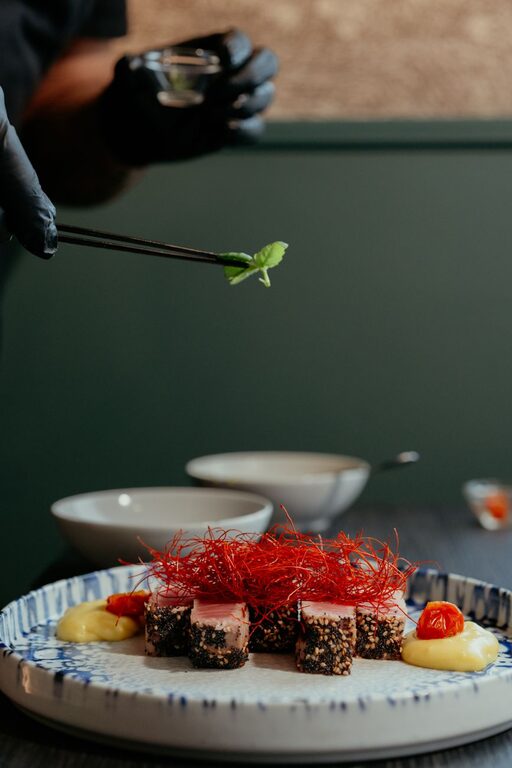
Another major influence is the combination of local ingredients with cooking techniques from around the world. A restaurant may use regional vegetables in a curry, local grains in a rice-style dish, or nearby fruit in a dessert inspired by another culinary tradition.
These combinations can create exciting menus, but balance is important. The strongest dishes usually have a clear connection between the ingredient and the technique rather than mixing flavors simply for novelty.
For example, a local root vegetable may work well with a spicy sauce, while regional fruit may pair naturally with warming spices. Fermentation, grilling, pickling, steaming, and slow cooking can all help bring out the character of local products.
This style of cooking reflects how food cultures naturally evolve. Chefs can respect regional ingredients while giving them a wider range of expression.
Smaller Menus With More Seasonal Changes
Many restaurants are moving toward shorter menus that change more often. A smaller selection can make it easier to highlight fresh regional products and reduce the need to maintain a long list of ingredients.
Seasonal menu changes also give returning diners a reason to visit again. A restaurant may offer asparagus and spring greens earlier in the year, followed by tomatoes, corn, and stone fruit, then mushrooms, squash, and apples later in the season.
A focused menu can also improve consistency. When restaurants work with fewer dishes, kitchen teams may have more time to refine preparation, presentation, and service.
For diners, this means menus may change quickly. Daily specials, chef’s selections, and rotating side dishes are likely to remain an important part of the dining experience.
What Diners Can Expect
This season’s regional food trends are less about one specific dish and more about a way of thinking. Restaurants are looking for stronger connections between ingredients, communities, seasons, and culinary traditions.
Diners may notice:
– More information about ingredient origins
– Frequent menu changes based on availability
– Familiar dishes with updated presentations
– More grain and vegetable centered meals
– Regional specialties featured as limited time offerings
– Greater attention to local producers
The result is a restaurant landscape that feels more personal and place-based. Whether a menu focuses on coastal ingredients, farm produce, regional grains, or updated comfort food, the best dishes make their origins part of the experience.
As the season develops, these trends are likely to continue shaping how restaurants write menus, choose suppliers, and tell the story behind each plate.