






A Return to Slow Breadmaking
Across many towns and cities, independent bakeries are returning to the basics of breadmaking. Instead of relying only on commercial yeast and fast production schedules, these small businesses are using traditional sourdough techniques that depend on natural fermentation, careful timing, and hands-on work.
Sourdough bread is made with a starter, a mixture of flour and water containing naturally occurring wild yeast and lactic acid bacteria. When maintained properly, the starter helps dough rise while creating the slightly tangy flavor associated with sourdough.
Although sourdough has become popular in recent years, the method itself is centuries old. Independent bakeries are helping preserve this heritage while adapting it to modern customers, equipment, and production needs.
What Makes Traditional Sourdough Different?
The main difference between traditional sourdough and many modern breadmaking methods is the use of a natural starter instead of relying entirely on packaged yeast. A starter must be fed regularly with flour and water to keep it active. Bakers then use a portion of it to ferment a larger batch of dough.
This process takes more time than a rapid-rise method. Fermentation may continue for several hours, and some doughs are left to develop overnight. The longer schedule allows the dough to build flavor and structure gradually.
Traditional sourdough often has:
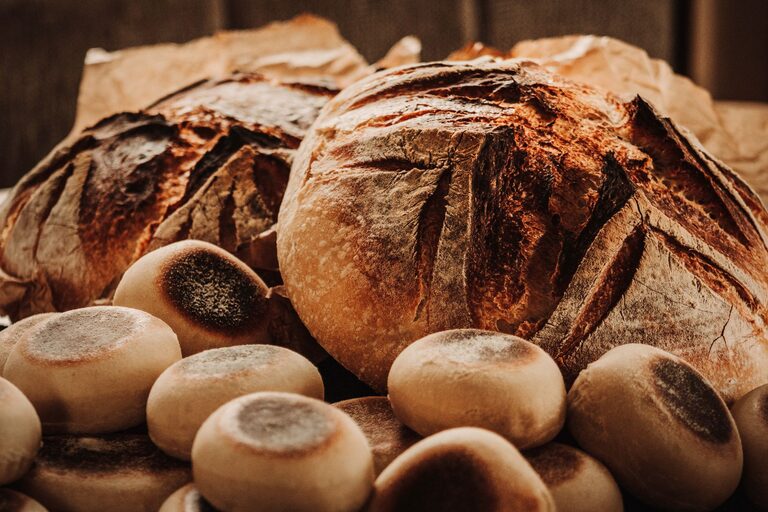
– A crisp, deeply browned crust
– A soft and open interior
– A mild to noticeable tang
– A chewy texture
– Complex flavors created during fermentation
The final result depends on many factors, including flour type, hydration, temperature, starter strength, and fermentation time. This variation is part of the appeal. Each bakery may produce a loaf with a distinct character, even when using similar ingredients.
The Role of the Independent Baker
Large commercial bakeries often focus on consistency, speed, and high-volume production. Independent bakeries usually work on a smaller scale, which gives bakers more flexibility. They can adjust recipes according to the weather, flour quality, and activity of their starter.
This hands-on approach requires close observation. Bakers do not simply follow a clock. They check how the dough looks and feels, watching for signs that fermentation is progressing properly.
Important stages include:
Feeding the Starter
The baker refreshes the starter by combining a portion of it with fresh flour and water. The mixture is left to ferment until it becomes active and airy. A healthy starter may show bubbles, a pleasant fermented aroma, and visible growth.
Mixing and Developing the Dough
Once the starter is ready, it is mixed with flour, water, and salt. Some bakers allow the flour and water to rest before adding the starter and salt. This short resting period can help the flour absorb water and make the dough easier to handle.
The dough may then be folded at regular intervals. Folding strengthens the dough without the need for intensive kneading.
Bulk Fermentation
During bulk fermentation, the dough rests and rises as the starter produces gas. This stage is one of the most important parts of sourdough baking. If the dough is under-fermented, the loaf may be dense. If it is over-fermented, the dough may lose strength.
Shaping and Proofing
After fermentation, the dough is divided and shaped. Bakers create tension on the surface while keeping as much air as possible inside the dough. The shaped loaves are then proofed, often in baskets or cloth-lined containers.
Some bakeries refrigerate the dough overnight. This slows fermentation and allows the loaves to be baked fresh the next morning.
Scoring and Baking
Before baking, the surface of the dough is cut with a sharp blade. These cuts guide expansion in the oven and can also create attractive patterns.
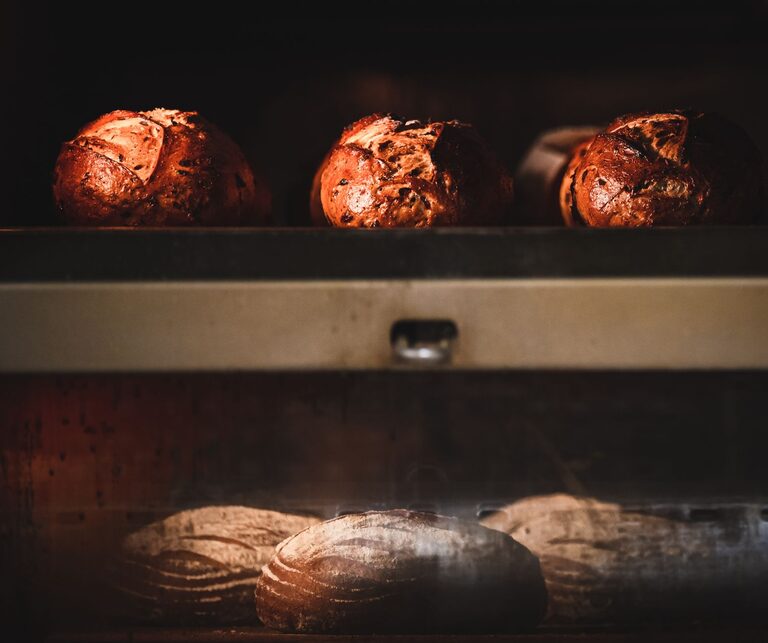
Many bakeries use steam during the early part of baking. Steam keeps the crust flexible, allowing the loaf to expand before the exterior becomes firm. As baking continues, the crust develops its color, texture, and toasted aroma.
Why Customers Are Drawn to Sourdough
The renewed interest in sourdough is connected to a wider appreciation for food made with care. Customers often enjoy learning where their food comes from and how it is prepared. A loaf made over many hours can feel more personal than a standardized product made for rapid distribution.
Flavor is another important reason. Slow fermentation creates a broader range of aromas and tastes than many quick methods. Depending on the recipe, a loaf may have notes that are nutty, earthy, creamy, or mildly acidic.
Texture also plays a role. A well-made sourdough loaf can offer a crisp crust and a tender interior, making it suitable for toast, sandwiches, soups, and simple meals.
Independent bakeries often offer more than one style of sourdough. Their selection may include:
– Country loaves made with wheat flour
– Whole grain sourdough
– Rye bread
– Seeded loaves
– Sourdough rolls
– Focaccia and other naturally leavened items
– Seasonal breads using herbs, fruit, or grains
Local Ingredients and Regional Character
Many independent bakeries are also exploring locally grown ingredients. Flour from nearby mills can give bread a stronger regional identity. Different wheat varieties, milling methods, and growing conditions can influence the flavor and behavior of the dough.
Some bakers work directly with small farms or regional mills to learn more about their ingredients. They may choose stone-ground flour, heritage grains, or freshly milled wheat. These choices can create new challenges because less processed or freshly milled flour may absorb water differently from standard commercial flour.
Working with local ingredients also encourages bakers to remain flexible. Recipes may need to change from one flour shipment to the next. Instead of treating these differences as problems, many small bakeries see them as part of the craft.
Preserving Skills Through Apprenticeship
Traditional sourdough techniques are learned through practice as much as through written recipes. Bakers develop an understanding of dough by observing its texture, temperature, elasticity, and aroma.
Independent bakeries help pass these skills to new workers through training and apprenticeships. New bakers may begin by feeding starters, preparing ingredients, shaping dough, and cleaning equipment. Over time, they learn how to plan fermentation and respond to changes in the dough.
This knowledge is valuable because sourdough cannot always be controlled by exact measurements alone. A recipe provides a foundation, but experience helps a baker make sound adjustments.
Balancing Tradition With Modern Production
Reviving traditional methods does not mean rejecting modern tools. Many independent bakeries use temperature-controlled rooms, mixers, refrigeration, and digital scales to improve reliability. These tools can support traditional fermentation without removing the baker’s judgment.
The challenge is finding the right balance. A bakery must produce enough bread to remain practical while giving each batch the time it needs. This may involve careful scheduling, limited daily quantities, or preorders for popular loaves.
Customers can support this approach by understanding that naturally fermented bread may not always be available in unlimited amounts. A smaller selection can help a bakery maintain quality and reduce waste.
How to Enjoy Traditional Sourdough at Home
People interested in these methods can begin with a simple loaf or take a class offered by a local bakery. Watching an experienced baker work with dough can make the process easier to understand.
For home bakers, a few basic habits are helpful:
- Keep the starter on a regular feeding schedule.
- Use a kitchen scale for accurate measurements.
- Record room temperature and fermentation times.
- Learn to recognize the dough’s appearance and texture.
- Expect a learning period and adjust one factor at a time.
Sourdough rewards patience. Results may vary from one bake to the next, but each attempt provides useful information.
A Living Baking Tradition
The revival of traditional sourdough is more than a passing interest in rustic bread. It reflects a renewed appreciation for time, skill, and simple ingredients. Independent bakeries are keeping old techniques alive while giving them a place in modern communities.
By combining natural fermentation with thoughtful sourcing and careful craftsmanship, these bakeries offer bread with a clear sense of process and place. Their work reminds customers that good bread does not need to be rushed, and that traditional methods can continue to evolve without losing their identity.