



A Fresh Interest in Old Grains
Heritage grains are finding a new place in bakeries, restaurants, and home kitchens. Varieties that were once common in regional fields are being milled into flour, baked into loaves, and used in everything from pasta to desserts.
The renewed interest is not simply about looking to the past. Bakers and chefs are exploring heritage grains because they offer distinctive flavors, interesting textures, and a stronger connection to local food traditions. Their return also gives farmers and millers more opportunities to support grain diversity.
Unlike many modern grain varieties developed for high yields and uniform processing, heritage grains often have long histories tied to particular regions. Some are ancient grains that have changed very little over time, while others are older local varieties that nearly disappeared from production.
What Are Heritage Grains?
There is no single definition that covers every heritage grain. In general, the term refers to older grain varieties that have been preserved because of their cultural, agricultural, or culinary value. These grains may include wheat, rye, barley, corn, oats, and other crops.
Examples often found in specialty baking include einkorn, emmer, spelt, khorasan, Red Fife, and Turkey Red wheat. Regional varieties of rye and corn are also attracting attention. Each grain has its own growing characteristics, flavor profile, and baking behavior.
Heritage grains are sometimes confused with whole grains. The terms describe different qualities:
- Heritage grain describes the history or variety of the grain.
- Whole grain describes how much of the grain remains after milling.
- Stone-ground flour describes a milling method, not a specific grain.
A heritage grain can be milled into whole-grain flour or a more refined flour, depending on how it is processed.
Why Bakers Are Bringing Them Back
Distinctive Flavor
One of the main attractions is flavor. Heritage grain flours can bring notes of nuttiness, grass, sweetness, earth, or spice to baked goods. These flavors may be more noticeable in naturally leavened bread, biscuits, crackers, and pastries.
For many bakers, the appeal is not about making a product taste unusual. Instead, the goal is to create a more layered flavor that complements familiar recipes. A loaf made with a regional wheat may have a subtle character that cannot be achieved with a standard flour blend.
More Interesting Texture
Different grains also affect the structure of a baked product. Some produce a tender crumb, while others create a pleasantly chewy texture or a crisp crust. Bakers can combine heritage flour with modern bread flour to balance flavor, rise, and handling.
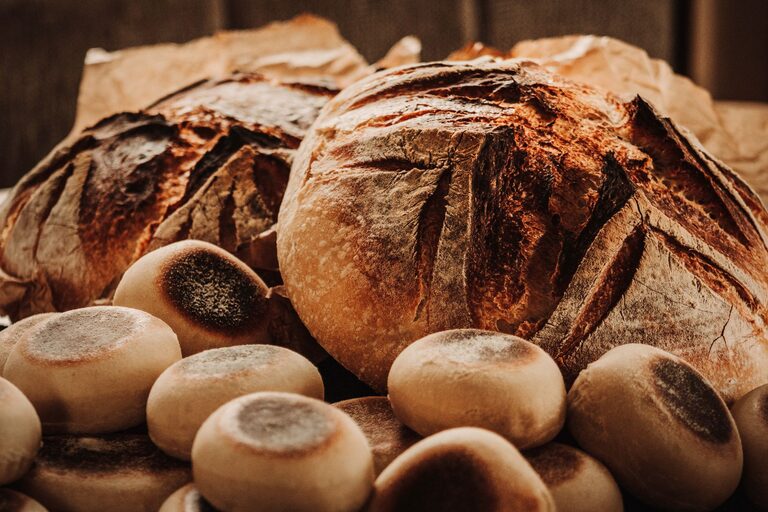
This flexibility allows a bakery to offer a wide range of products. A customer might find a light breakfast roll, a hearty country loaf, and a crisp seeded cracker made from different grain combinations.
A Connection to Place
Heritage grains often carry a sense of place. A bakery that uses wheat grown by nearby farmers can tell a story about local soil, weather, milling, and craft. Restaurants can use the same idea to make a menu feel connected to its region.
This connection does not need to be presented as nostalgia. It can be a practical way to explain where ingredients come from and why they were selected. Menus and bakery displays may name the grain, farm, mill, or region, giving customers a clearer picture of the food’s origins.
How Modern Bakeries Use Heritage Flour
Heritage grains appear in both traditional and modern products. Their use depends on the type of flour, the baker’s technique, and the desired result.
Common bakery applications include:
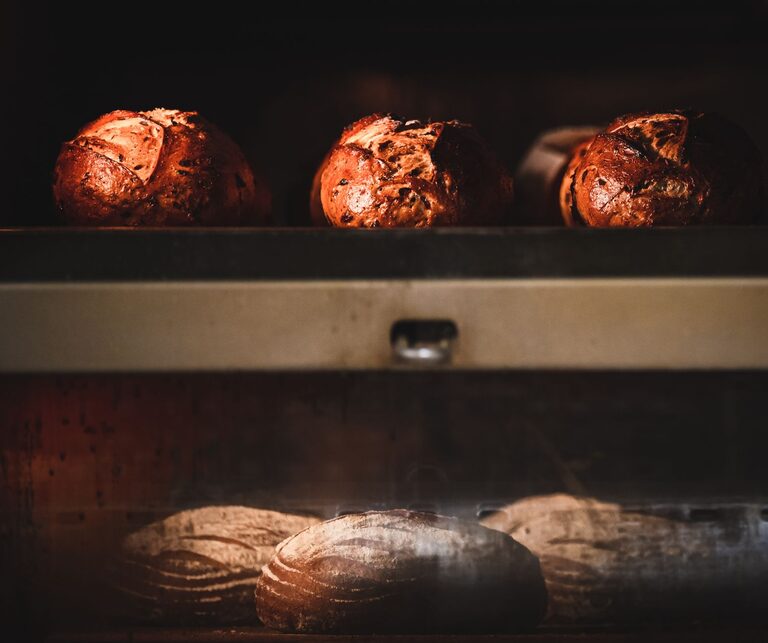
- Sourdough bread: Long fermentation can highlight the grain’s aroma and flavor.
- Sandwich loaves: Blends can add character while keeping the bread soft and practical.
- Pastries: Heritage flour can give croissants, scones, and tart crusts a richer taste.
- Cookies and cakes: Mild varieties can add depth without overpowering sweet ingredients.
- Crackers: Whole-grain heritage flour works well in crisp, savory recipes.
- Pizza dough: Small amounts can introduce a rustic flavor and appealing texture.
Because these flours can behave differently from standard commercial flour, bakers often adjust hydration, mixing time, fermentation, and shaping. Some heritage wheat varieties have a more delicate gluten structure, so they may require gentler handling.
Heritage Grains on Restaurant Menus
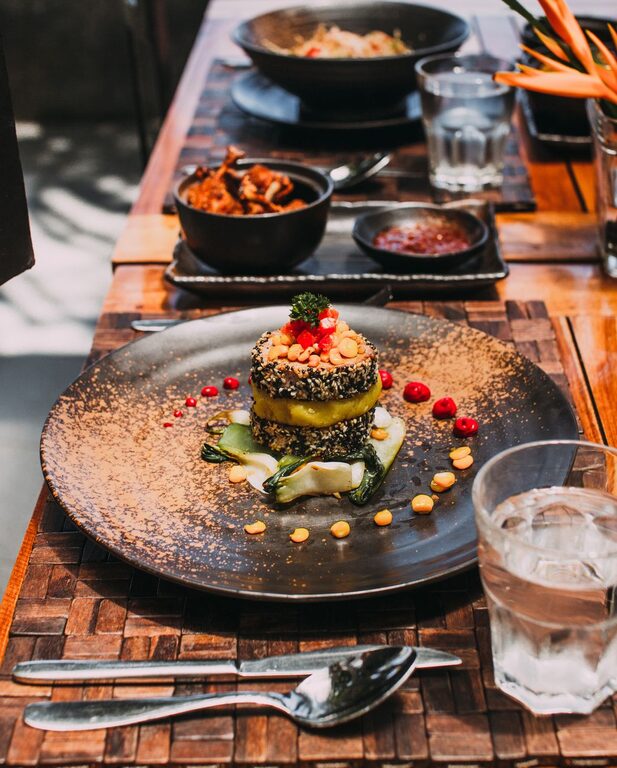
Restaurants are using heritage grains beyond the bread basket. Chefs may serve grains as a side dish, add them to salads, or use them as a base for seasonal entrees. Their varied textures can make a dish more satisfying without relying on heavy sauces or elaborate preparation.
Popular restaurant applications include:
- Warm grain salads with vegetables and herbs
- Risotto-style dishes made with wheat berries or barley
- Fresh pasta made with older wheat varieties
- Grain bowls paired with roasted vegetables and sauces
- House-made breads served with regional ingredients
- Desserts featuring toasted grains, flour, or malt
Some chefs use heritage grains to replace more familiar ingredients, while others use them as accents. Toasted rye can add depth to a soup garnish, and a spoonful of cooked einkorn can bring texture to a vegetable salad. These small additions can make a menu feel distinctive without changing its entire style.
The Role of Farmers and Small Mills
The return of heritage grains depends on more than consumer interest. Farmers, seed keepers, millers, bakers, and chefs all play a role in rebuilding a reliable supply chain.
Farmers may grow older varieties as part of a broader crop rotation or to explore grains suited to local conditions. Small mills can process these crops in smaller batches, preserving freshness and allowing bakeries to work with regionally grown flour.
This system can also encourage closer communication. A baker may ask a miller for flour with a particular flavor or performance, while a miller can share information about the harvest. Over time, these conversations help refine how each grain is grown and used.
What Shoppers Should Know
Heritage grain products may vary widely. The name of a grain does not automatically indicate that a product is whole grain, locally grown, or made entirely from that variety. Reading the ingredient list and product description can help shoppers understand what they are buying.
Useful details to look for include:
- The specific grain variety
- Whether the flour is whole grain or refined
- The location where the grain was grown
- The name of the mill or producer
- Whether the product uses a blend of flours
Heritage grain products may also cost more than standard baked goods because they can involve smaller harvests, separate milling, and additional labor. Prices reflect the scale and complexity of the process rather than a guarantee that one type of grain is best for every recipe.
A Growing Place in the Modern Food Culture
Heritage grains are returning because they meet several modern interests at once: flavorful food, regional identity, agricultural variety, and skilled preparation. They offer bakers and chefs new ways to work with familiar ingredients while preserving knowledge about older crops.
The movement is likely to continue through collaboration. Farmers can grow more varieties, mills can make them easier to obtain, and food businesses can show customers how to use them. As heritage grains become more available, they may shift from specialty ingredients to regular parts of bakery cases and restaurant menus.
The result is not a rejection of modern food production. Instead, it is a broader approach that combines current techniques with the character and history of older grains—one loaf, pastry, or plate at a time.