





Artisan cheese producers are introducing a new wave of regional varieties, giving cheese lovers more ways to explore local flavor. These cheeses often reflect the land where they are made, from the grasses fed to dairy animals to the aging conditions found in nearby cellars.
Unlike mass-produced cheeses designed for uniformity, regional artisan varieties are shaped by place, season, and technique. Their differences may be subtle, such as a fresh grassy note, or more noticeable, such as a firm texture, nutty finish, or gently tangy aroma.
A Growing Interest in Regional Cheese
The latest releases arrive as shoppers show greater interest in foods with a clear sense of origin. Many people want to know who made a product, where its ingredients came from, and how traditional methods influence its character.
For artisan cheesemakers, regional varieties offer a way to share the identity of their communities. A cheese may be named for a valley, county, mountain range, or historic farming area. Its label may also describe the local milk source, production method, and length of aging.
This approach gives shoppers more information while helping smaller producers stand out in a busy market. Instead of competing only on price, cheesemakers can highlight craftsmanship, local partnerships, and a distinctive flavor profile.
What Makes a Cheese Regional?
A regional cheese is more than a product made in a particular location. Its character can come from several connected elements.
Local Milk
Milk is one of the most important influences on cheese. The animals’ breed, diet, and environment can affect the milk’s flavor and composition. Some producers work with nearby farms that use pasture-based feeding, while others focus on heritage breeds or carefully selected dairy herds.
Seasonal changes may also make each batch slightly different. Spring milk, for example, can have a fresh, bright quality, while milk produced later in the year may create a richer or more rounded cheese.
Native Ingredients
Some new varieties include regional ingredients such as herbs, flowers, fruit, grains, or local honey. These additions are typically used to complement the cheese rather than overpower it.
A mild, creamy cheese may pair well with fresh herbs, while a firm aged cheese can support the flavor of toasted grains or dried fruit. The best combinations maintain a balance between the base cheese and its regional accent.
Traditional Techniques
Artisan producers often use methods passed down through generations or adapted from older European cheesemaking traditions. These may include hand-cutting curds, pressing wheels in small batches, washing rinds, or aging cheeses in natural rooms.
Modern equipment may still be part of the process, but the focus remains on careful observation. Cheesemakers monitor moisture, temperature, texture, and aroma throughout production and aging.
New Styles Appearing on Cheese Counters
The latest regional releases cover a wide range of styles. This variety gives customers options for everyday meals, special gatherings, and gift baskets.
Common examples include:
– Soft-ripened cheeses: Creamy cheeses with delicate rinds and a mild, buttery center.
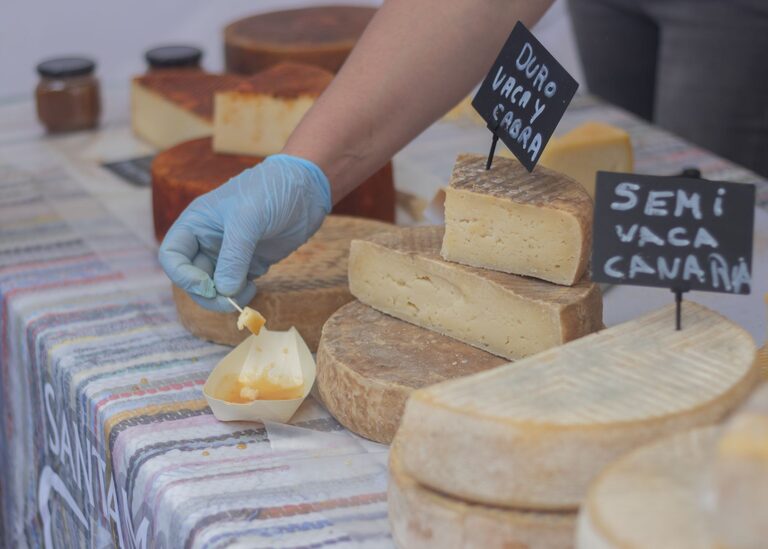
– Semi-firm wheels: Smooth or slightly crumbly cheeses suitable for slicing and cooking.
– Aged farmhouse cheeses: Firm varieties with deeper, nuttier flavors.
– Fresh cheeses: Light, moist cheeses designed to be enjoyed soon after production.
– Blue-veined varieties: Bold cheeses with distinctive aromas and a balanced salty finish.
– Washed-rind cheeses: Rich, savory cheeses developed through regular care during aging.
Each style offers a different way to experience regional ingredients. Fresh cheeses may emphasize the quality of the milk, while aged wheels reveal the influence of time, storage conditions, and surface treatment.
How Producers Develop a New Variety
Creating a new cheese can take months or even years. Producers usually begin with a goal, such as developing a cheese that reflects a particular landscape or works well with local foods.
They may test different milk sources, cultures, salt levels, curd sizes, and aging periods. Small changes can have a major effect on the final product. A slightly longer aging period may create a firmer texture, while a different rind treatment may produce a stronger aroma.
Many cheesemakers also collect feedback from customers, chefs, retailers, and food writers. Tastings help producers understand how people respond to a new variety and how it fits into meals.
The final release often represents many trial batches. Even then, artisan production leaves room for natural variation. Each wheel may not taste exactly the same, which is part of the appeal.
Pairing Regional Cheese at Home
Regional cheeses are easy to enjoy without complicated preparation. A simple serving board can bring out their individual qualities.
Consider including:
- One fresh or soft cheese
- One semi-firm variety
- One aged cheese
- Seasonal fruit or dried fruit
- Nuts, crackers, or slices of rustic bread
- A mild preserve or local honey
When pairing, begin with the mildest cheese and move toward stronger flavors. This allows the palate to notice the differences between varieties.
A soft cheese may pair well with apples, pears, or light crackers. A firm aged cheese can work with toasted nuts, whole-grain bread, or a fruit preserve. Stronger cheeses may benefit from sweet or acidic accompaniments that balance their intensity.
For cooking, regional cheeses can add character to familiar dishes. Try melting a semi-firm variety into a sandwich, crumbling an aged cheese over roasted vegetables, or adding a fresh cheese to a salad.
What Shoppers Should Look For
When choosing a new artisan cheese, read the label carefully. Useful details may include the milk type, aging period, production location, and suggested serving ideas.
Ask a cheesemonger or producer about:
– The cheese’s texture and flavor
– Whether it is mild, sharp, earthy, or tangy
– How long it has been aged
– Recommended pairings
– How to store it at home
Most cheeses should be wrapped in cheese paper or parchment and kept in a refrigerator. Avoid sealing them tightly in plastic for long periods, as they need some airflow to maintain their texture and aroma.
Supporting Local Food Communities
The debut of regional cheese varieties supports more than individual producers. It can strengthen relationships among dairy farms, specialty retailers, restaurants, and local customers.
When shoppers choose a cheese made nearby, they help maintain demand for local milk and skilled food production. Producers, in turn, can continue experimenting with new styles while preserving techniques that might otherwise disappear.
These cheeses also create opportunities for regional tourism and food events. Farm visits, tasting programs, farmers markets, and seasonal festivals allow customers to connect the finished product with the people and places behind it.
A Fresh Way to Explore Place
The new generation of regional artisan cheeses offers a flavorful way to discover local identity. Each variety carries clues about its ingredients, climate, traditions, and maker.
Whether served on a simple board or included in a carefully prepared meal, these cheeses invite curiosity. Start with one local variety, learn how it was made, and compare it with another from a nearby region. Over time, a cheese collection can become a delicious map of the communities that produce it.