


Hotel restaurants are changing the way guests experience dining. Alongside traditional menus and familiar comfort foods, many properties now serve dishes inspired by street markets around the world.
This trend brings bold flavors, casual presentation, and a sense of discovery to hotel dining. Guests can enjoy tacos, noodle bowls, grilled skewers, stuffed flatbreads, and other popular street foods without leaving the property. For hotels, these menus offer a flexible way to create memorable meals while introducing travelers to local and international food traditions.
Why Street Food Works in Hotels
Street food has long been valued for its flavor, convenience, and connection to everyday life. It often reflects the ingredients, cooking techniques, and traditions of a particular place.
Hotels are adapting these qualities for modern dining spaces. Instead of copying a dish exactly, chefs may use street food as inspiration and adjust recipes for the restaurant’s setting, available ingredients, and guest preferences.
Several features make this style of dining especially appealing:
– Approachable portions: Small plates and handheld foods are easy to share.
– Strong flavors: Herbs, spices, sauces, and marinades create memorable dishes.
– Casual service: Guests can enjoy a relaxed meal without a formal dining experience.
– Menu variety: A single menu can include influences from several regions.
– Visual appeal: Colorful ingredients and creative presentation work well for social media.
This combination gives hotel restaurants a way to offer something different from standard room service or traditional dining rooms.
A Global Menu in One Restaurant
A hotel restaurant may feature food inspired by several cities or regions. One menu could include Mexican-style tacos, Japanese-inspired fried chicken, Indian street snacks, Middle Eastern flatbreads, and Southeast Asian noodle dishes.
The goal is not always to create a complete representation of every food culture. Instead, chefs often select a few recognizable dishes and build a menu around shared ideas such as grilling, frying, wrapping, dipping, and sharing.
Popular Street Food Inspirations
Some of the most common influences include:
– Tacos and tostadas: Corn tortillas topped with seasoned vegetables, grilled meats, seafood, beans, or fresh salsa.
– Noodle dishes: Stir-fried or broth-based noodles with vegetables, herbs, and flavorful toppings.
– Grilled skewers: Meat, seafood, tofu, or vegetables cooked over high heat and served with dipping sauces.
– Stuffed breads: Flatbreads and rolls filled with roasted vegetables, spiced proteins, cheese, or herbs.
– Fried snacks: Crispy bites such as fritters, dumplings, croquettes, and filled pastries.
– Rice bowls: Layered dishes that combine grains, vegetables, sauces, and a choice of protein.
– Fresh fruit and sweets: Chilled fruit, shaved ice, sweet crepes, and other simple desserts.
These dishes can be adapted for breakfast, lunch, dinner, poolside service, or late-night dining.
Local Ingredients Meet International Ideas
One of the most interesting parts of this trend is the way chefs combine global cooking styles with local ingredients. A hotel near the coast might use freshly caught fish in a taco or rice bowl. A property in a farming region may highlight local vegetables in a noodle dish or stuffed flatbread.
This approach helps menus feel connected to their location rather than simply repeating international recipes. It also gives guests a chance to experience familiar ingredients in new ways.
For example, a restaurant might serve:
– Local mushrooms with a soy-based glaze
– Regional vegetables in a spiced flatbread
– Fresh seafood with citrus, herbs, and chili
– Local fruit in a tropical-inspired dessert
– Farm-grown greens in a handheld wrap
These combinations can appeal to both adventurous diners and guests who prefer recognizable ingredients.
Designed for Sharing and Social Dining
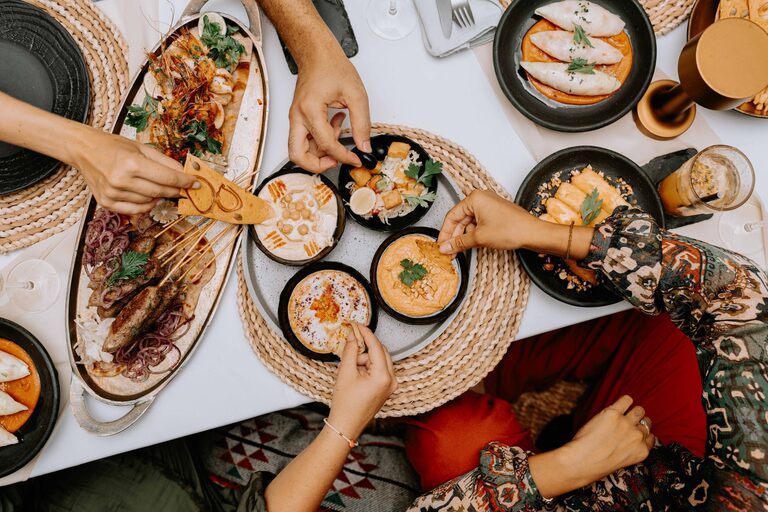
Street food is often enjoyed in busy, social settings. Hotel restaurants are bringing that same energy indoors with communal tables, counter seating, open kitchens, and shared plates.
Many menus are designed so guests can order several items for the table. This makes it easier to sample unfamiliar foods and compare different flavors. It also suits families, groups of friends, and business travelers who want a relaxed meal.
A shareable menu may include:
- A selection of small starters
- Two or three main dishes
- Several sauces or condiments
- A shared dessert
- Drinks that complement the flavors
This style of dining can make a meal feel more interactive. Guests are not limited to choosing one entrée. Instead, they can build a varied experience from several smaller dishes.
The Role of Presentation
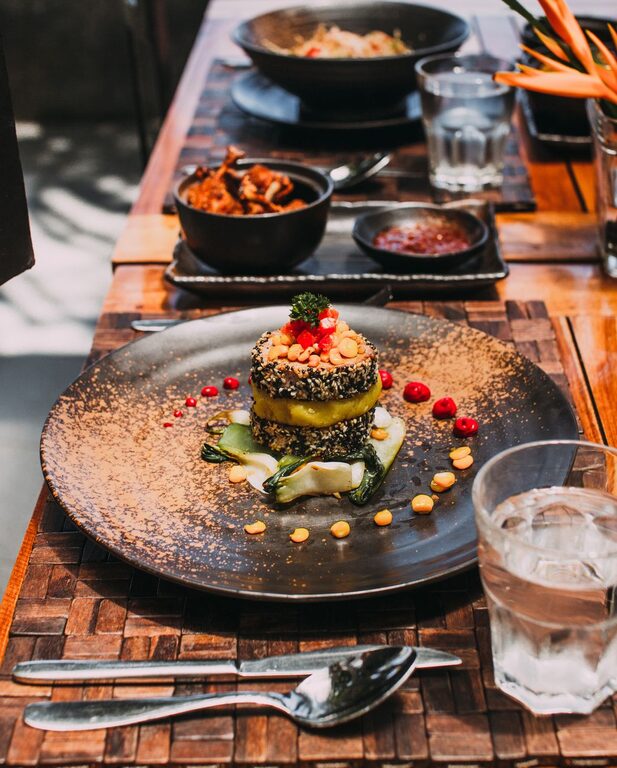
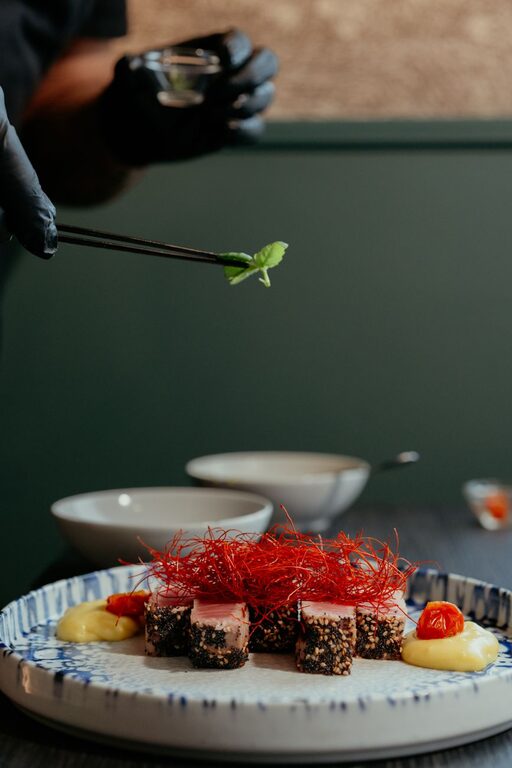
Presentation is an important part of hotel dining, even when the food is inspired by casual street stalls. Chefs may serve dishes in baskets, paper-lined trays, small bowls, or on wooden boards while adding polished details suitable for a restaurant setting.
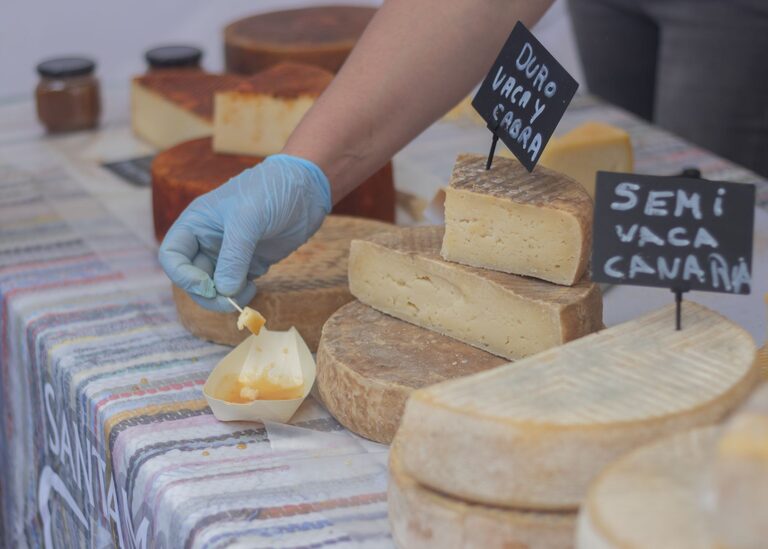
The presentation should support the food rather than make it difficult to eat. Handheld dishes need to be easy to pick up, and sauces should be placed where guests can reach them. Clear labeling can also help diners understand ingredients, spice levels, and serving suggestions.
Simple design choices can create a strong sense of place:
– Bright colors from herbs, vegetables, and sauces
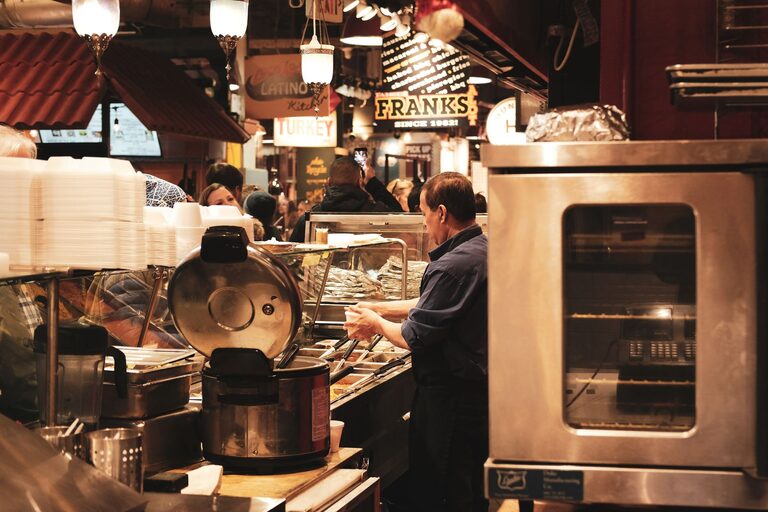
– Open cooking stations that show food being prepared
– Menus with short descriptions and regional references
– Market-inspired decor and music
– Shared tables that encourage conversation
Together, these details help guests feel as though they are exploring a food market while enjoying the comfort of a hotel restaurant.
Making Global Flavors Accessible
Not every guest is familiar with international street food. Hotel restaurants can make these dishes more approachable by offering clear descriptions and flexible options.
Helpful menu practices include:
– Explaining unfamiliar ingredients in plain language
– Offering mild, medium, and spicy versions when possible
– Providing vegetarian and nonvegetarian choices
– Serving sauces on the side
– Offering half portions or tasting plates
– Including a few familiar dishes alongside new options
Staff knowledge also matters. Servers who can explain the origin, texture, and flavor of a dish can help guests make confident choices. A short recommendation can turn an unfamiliar menu item into an appealing opportunity to try something new.
A New Kind of Hotel Dining Experience
Global street food gives hotel restaurants a way to be informal, creative, and connected to the wider world. It can transform a routine meal into a small culinary journey, whether guests are traveling internationally or simply looking for a different dinner during their stay.
For travelers, these menus offer convenience without sacrificing variety. For hotels, they create opportunities to reflect local culture, highlight regional ingredients, and give guests a reason to return to the restaurant.
As more properties explore this style of cooking, hotel dining is becoming less formal and more experiential. The result is a menu approach that celebrates bold flavors, shared meals, and the simple pleasure of discovering something new.